Flowing through the northern edge of Botswana, the Chobe River has witnessed millennia of human migration, imperial ambition, and extraordinary natural abundance. Today it remains one of the most electrifying wildlife corridors on the African continent, where history and wilderness converge in breathtaking fashion.
The Chobe River is part of the greater Zambezi River system, draining a vast catchment area across Angola, Zambia, and Botswana before ultimately feeding into the Zambezi near Kazungula. Its waters have carved a path through the Kalahari sands for tens of thousands of years, creating a fertile floodplain that drew some of southern Africa's earliest human inhabitants. Archaeological evidence from the broader Chobe region suggests human presence dating back more than 100,000 years, with stone tools recovered near the riverbanks pointing to sustained hunter-gatherer occupation long before recorded history shaped these landscapes.
San Bushmen — among the oldest continuous cultures on Earth — are believed to have inhabited the Chobe region for at least 20,000 years, relying on the river's fish, its floodplains' game, and the surrounding woodland's plant resources. Their intimate ecological knowledge of the Chobe was unparalleled, and rock art found across northern Botswana hints at a rich spiritual connection to the landscape. The river served not only as a source of sustenance but as a sacred corridor, linking communities across what is today the four-nation meeting point of Botswana, Zimbabwe, Zambia, and Namibia.
By the eighteenth and nineteenth centuries, the Chobe River had become a critical artery for Bantu-speaking peoples migrating southward through sub-Saharan Africa. The Lozi Kingdom, centred on the upper Zambezi floodplain in present-day Zambia, exerted considerable influence over the Chobe corridor, using its waterways for trade, communication, and seasonal fishing. The Subiya people — who settled along the Chobe and Linyanti rivers — developed a sophisticated riverine culture, constructing mokoro dugout canoes that remain iconic symbols of the region to this day. Their fishing traditions, oral histories, and floodplain agriculture shaped the Chobe's cultural identity for generations.
European contact with the Chobe River intensified dramatically in the mid-nineteenth century. The Scottish missionary and explorer David Livingstone navigated the Chobe in August 1851, becoming one of the first Europeans to document the river and its remarkable elephant populations. Livingstone described witnessing enormous herds that would later prove prophetic of the Chobe's modern wildlife legacy. His accounts helped redirect British imperial attention toward the region, and subsequent explorers and hunters — including Frederick Courteney Selous — followed, drawn by stories of the Chobe's teeming game and the ivory wealth it promised.
The late nineteenth century brought the Scramble for Africa to the Chobe's banks. In 1890, the region became part of the British Bechuanaland Protectorate, and the Chobe River was designated as a boundary between British and German colonial spheres of influence. This era brought significant disruption to indigenous communities, as ivory and hide trading accelerated and colonial administration reshaped traditional land use. Ironically, British policies that curtailed unrestricted hunting in certain zones inadvertently laid early groundwork for wildlife conservation in the Chobe area, a legacy that would eventually define the river's global identity in the twentieth century.
The formal protection of the Chobe region began in 1931, when the colonial administration of Bechuanaland established the Chobe Game Reserve, recognising that rampant ivory hunting had severely depleted elephant herds that had once astounded early explorers. After Botswana achieved independence in 1966, the newly sovereign nation made conservation a cornerstone of national identity. In 1967, Chobe National Park was gazetted — Botswana's first national park — and the Chobe River became the park's most celebrated feature. The decision reflected both ecological urgency and growing international awareness that Africa's great wilderness areas required decisive government protection.
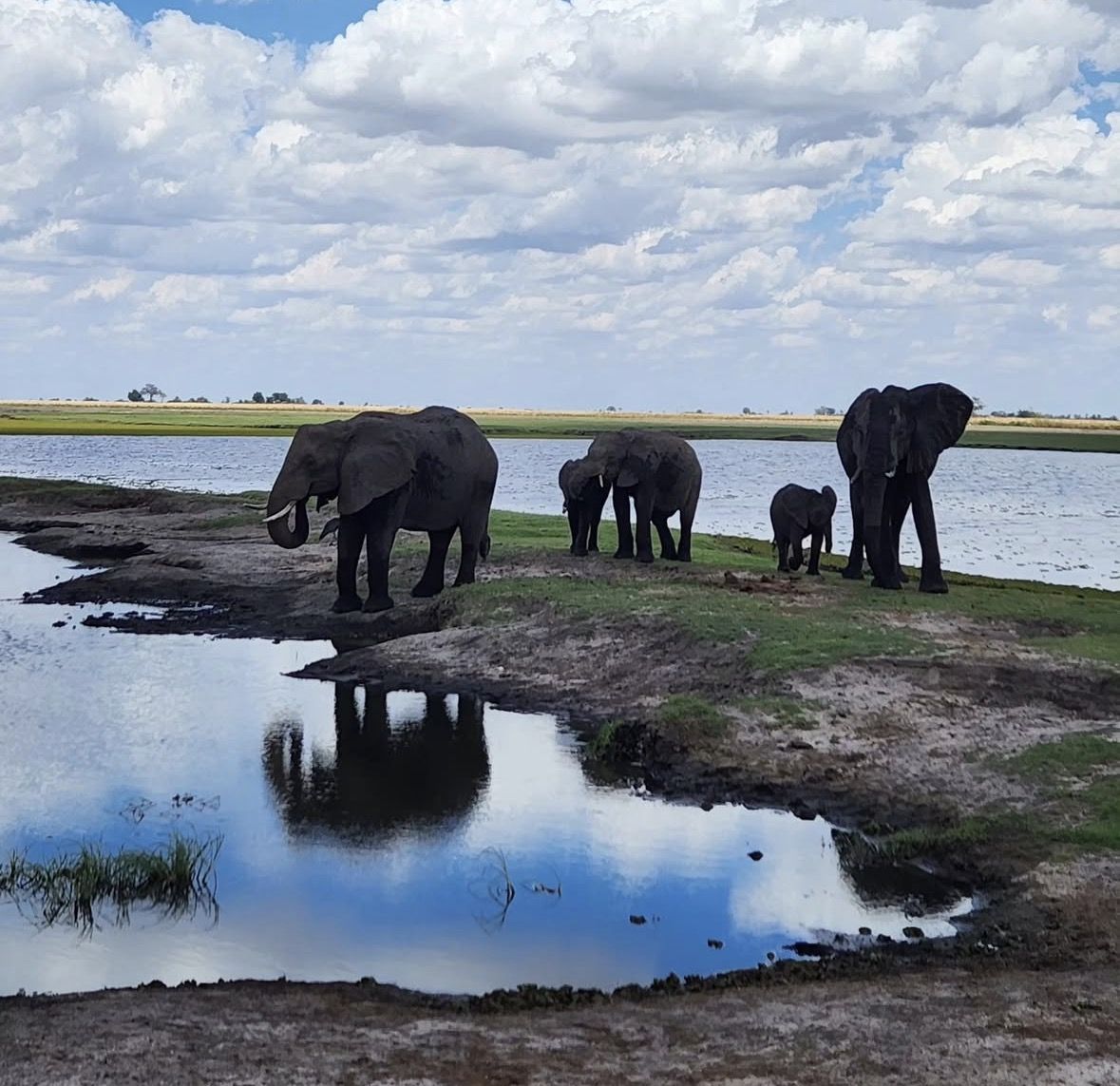
Through the 1970s and 1980s, Botswana's steadfast anti-poaching policies and community-based natural resource management programmes allowed elephant populations along the Chobe to recover spectacularly. From a low of perhaps a few thousand animals in the early twentieth century, the Chobe ecosystem's elephant population surged to over 120,000 — the largest concentration of African elephants on the planet. This recovery became one of conservation's great success stories, attracting the attention of international wildlife organisations, documentary filmmakers, and a rapidly growing global ecotourism industry eager to witness the phenomenon firsthand.
Tourism infrastructure along the Chobe developed significantly from the 1990s onward, anchored by the town of Kasane on the river's northern bank. Luxury safari lodges, river cruise operators, and guided wildlife experiences transformed Kasane into one of southern Africa's premier safari hubs. The iconic Chobe Game Lodge — opened in 1972 and famously the site of Richard Burton and Elizabeth Taylor's second wedding in 1975 — helped establish the river's glamorous international profile. Today, the Chobe River is a flagship destination within Botswana's high-value, low-volume tourism model, which prioritises environmental sustainability over mass visitation.
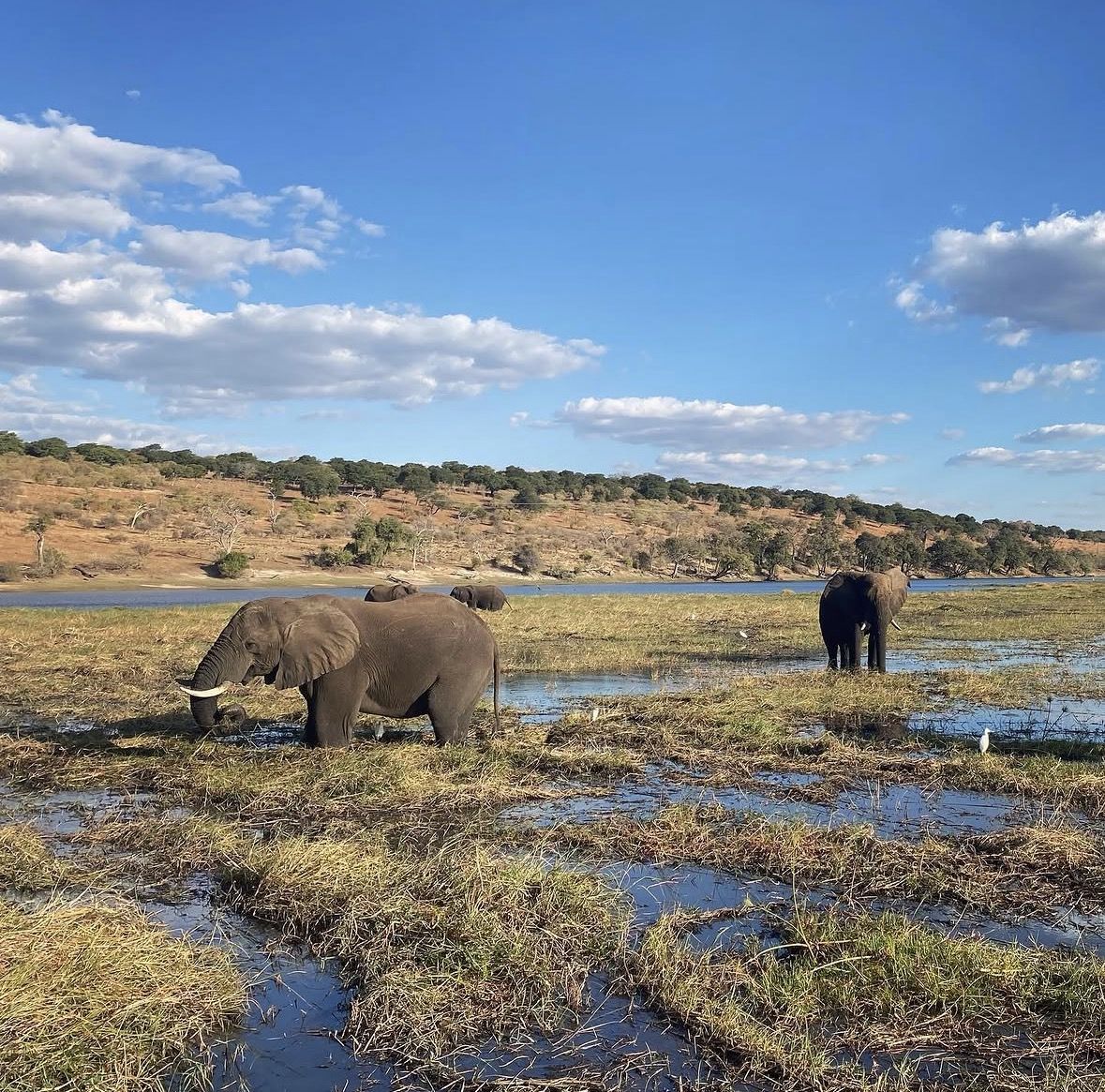
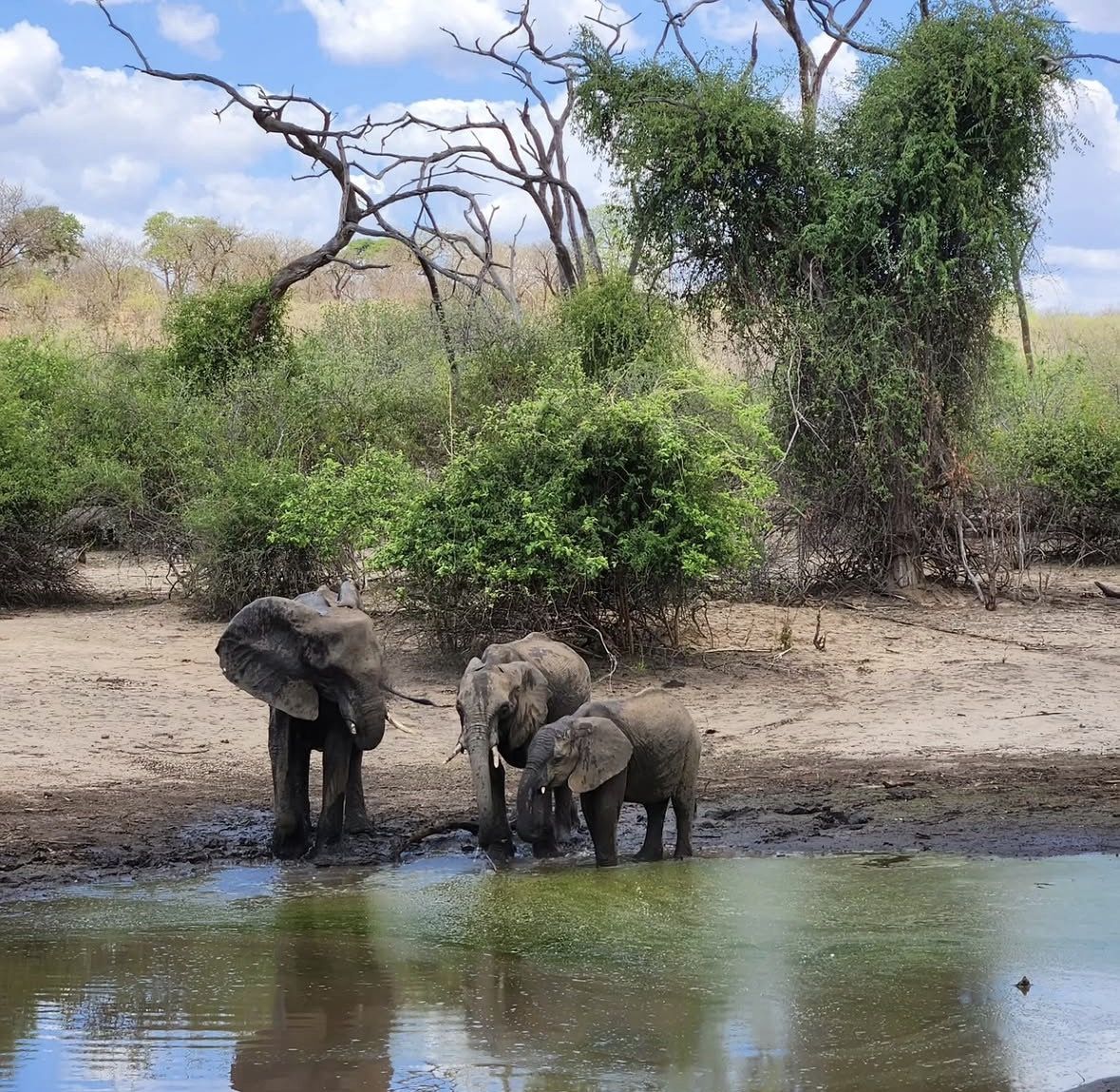
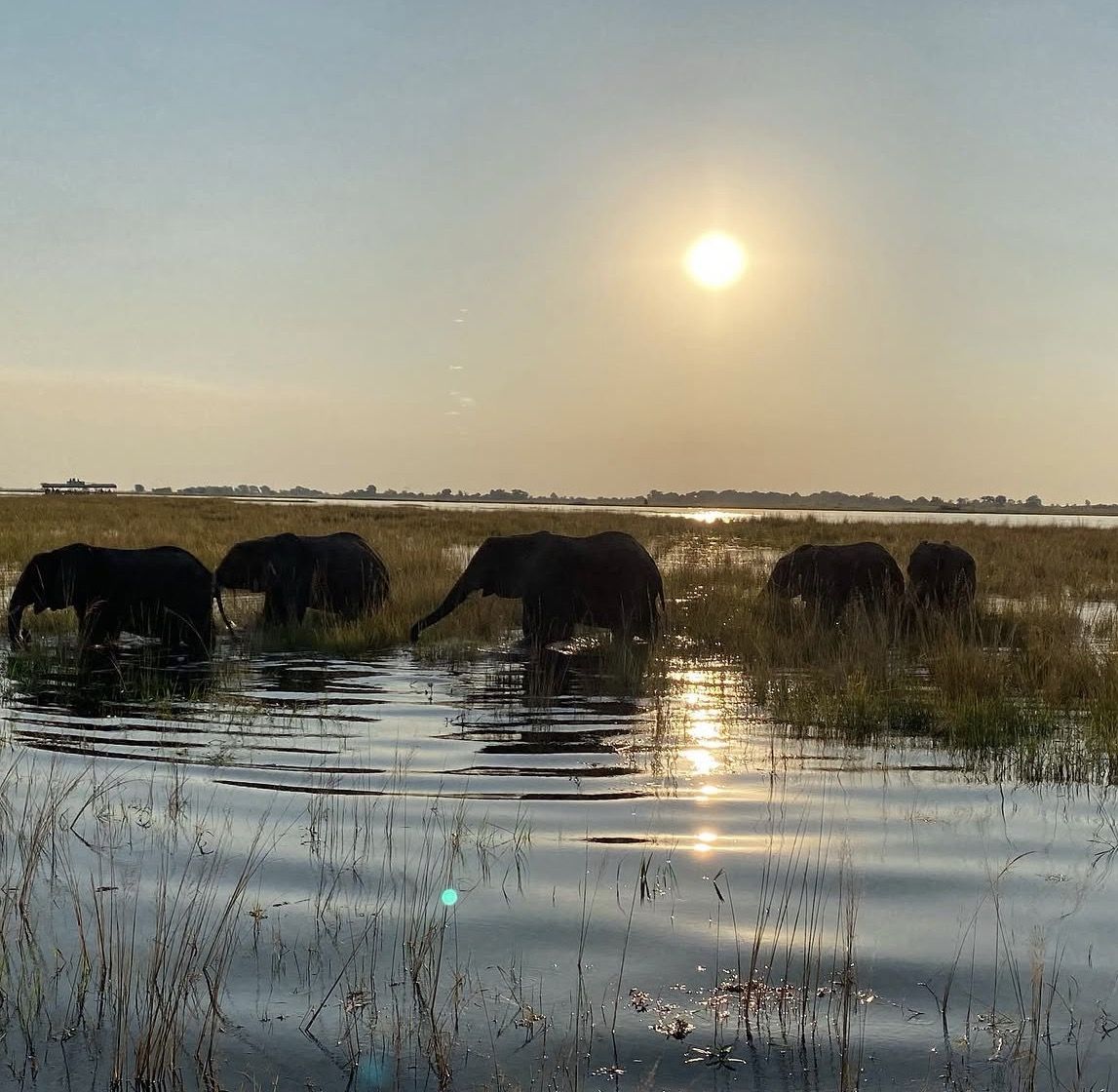
The Chobe River in the twenty-first century is an extraordinary living testament to what determined conservation can achieve. Sunset river cruises past wallowing hippos, enormous crocodiles, and vast elephant herds crossing the floodplains have become bucket-list experiences for travellers from every corner of the globe. The river's seasonal flooding transforms the landscape twice yearly, drawing spectacular migrations of buffalo, sable antelope, zebra, and giraffe to its banks. Bird life is equally staggering, with over 450 recorded species including the African fish eagle, carmine bee-eater colonies, and rare Pel's fishing owl haunting the river's papyrus margins.
Beyond its wildlife spectacle, the Chobe River remains a living cultural landscape. The Subiya and other riverine communities continue traditional mokoro practices and fishing customs, and community conservancies adjacent to the national park share tourism revenues with local families — a model championed globally as a blueprint for ethical wildlife tourism. Whether you arrive for the elephants, the sunsets, the birdlife, or simply the profound sense of connecting with one of the world's last truly wild rivers, the Chobe delivers an experience that resonates long after you have returned home. This ancient, enduring waterway invites every traveller to become part of its ongoing story.
Ready to Experience It Yourself?
The Chobe River is waiting to show you Africa at its most raw and magnificent — from elephant herds crossing at dusk to moonlit cruises on the floodplain. Our hand-picked tour partners offer expertly guided river safaris and lodge experiences tailored to every style of traveller. Browse our recommended Chobe tours now and secure your place on one of the world's greatest wildlife journeys.
Book Your Tour Now