Where Africa's largest elephant herds gather at the water's edge every single day. A Chobe River safari cruise delivers front-row seats to the continent's most dramatic wildlife spectacle.
Featured Tour
The Chobe National Park Small Group Day Safari from Victoria Falls is your passport to one of Africa's finest wildlife destinations. Departing directly from Victoria Falls, this full-day adventure takes you deep into Chobe National Park, where you'll travel by both 4x4 safari vehicle and riverboat to maximise your chances of encountering the park's legendary wildlife. Chobe is home to the world's largest concentration of African elephants, and sightings are virtually guaranteed. Your experienced guide will navigate the bush and river channels while sharing fascinating insights about the ecosystem, animals, and local conservation efforts — making this an unforgettable day in the African wilderness.
About the Destination
Forming a natural border between Botswana and Namibia, this legendary waterway sits at the heart of southern Africa's greatest wildlife corridor. Its floodplains, islands, and lagoons support an astonishing density of animals year-round.
Stretching approximately 250 kilometres through northern Botswana, the Chobe River forms a living border between Botswana and the Caprivi Strip of Namibia before joining the mighty Zambezi near Kasane. The town of Kasane serves as the main gateway, sitting just minutes from Chobe National Park's famous Serondella riverfront section. The waterway's broad floodplains and dense riverine forest create perfect conditions for game, making every boat trip along its banks feel like a private wildlife documentary unfolding in real time.
Long before tourism discovered it, this stretch of northern Botswana was a crossroads of indigenous San, Subiya, and Lozi peoples, who relied on its fish-rich waters and fertile floodplains for centuries. European explorers including David Livingstone passed through the region in the 1850s, marvelling at its wildlife abundance. Chobe National Park, proclaimed in 1968 as Botswana's first national park, was established largely to protect the extraordinary elephant population that had drawn hunters and traders to the area since colonial times.
Visitors today can choose between morning and afternoon departures on flat-bottomed pontoon boats or more intimate speedboat cruises. The experience is remarkably accessible — no rough dirt roads or predawn wake-up calls required. Sightings of elephants swimming between papyrus islands are almost guaranteed during the dry season, while the wet season transforms the banks into a birding paradise. Most lodges in Kasane offer direct water access, meaning guests can be aboard and watching wildlife within minutes of checking in.
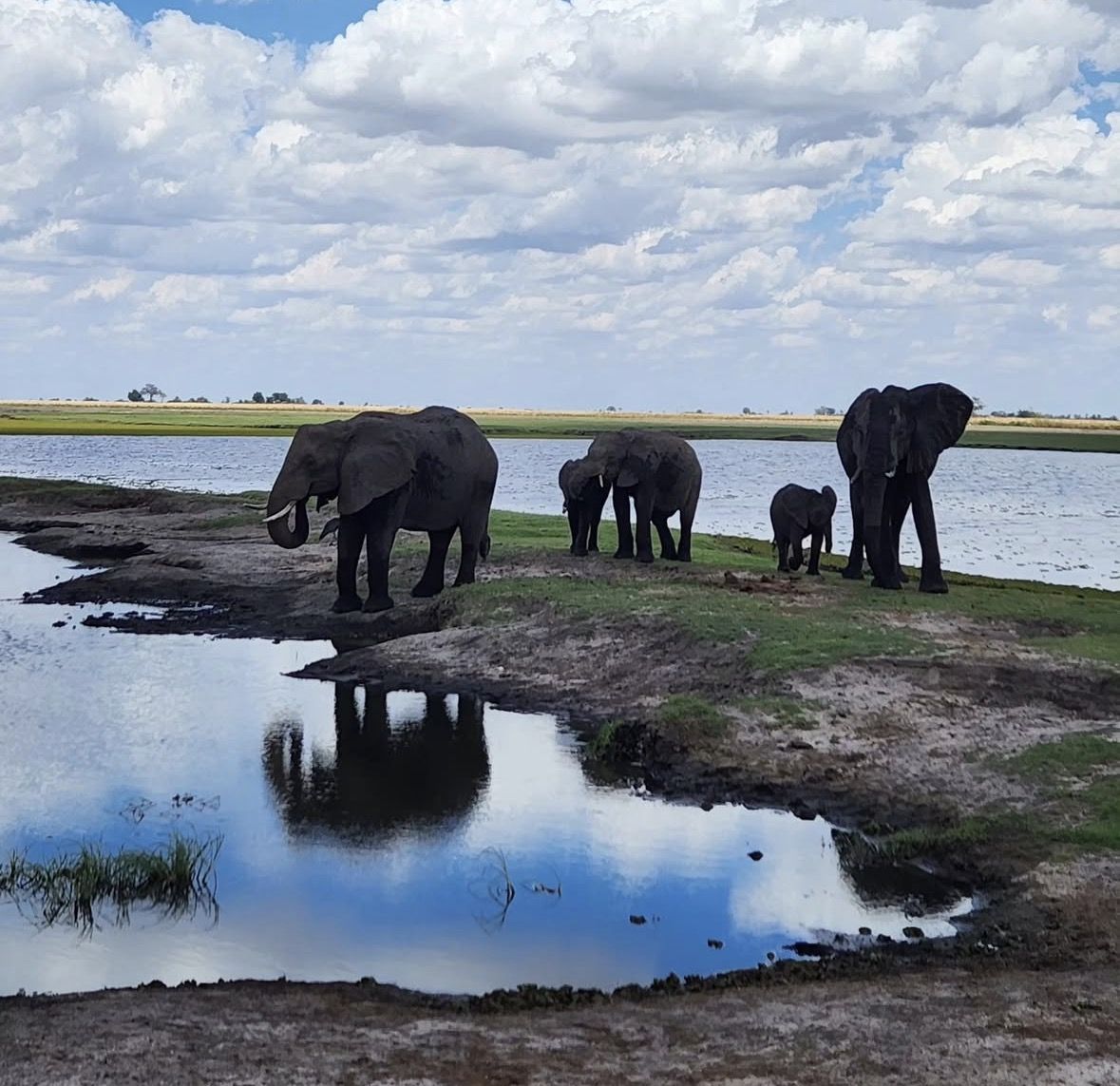
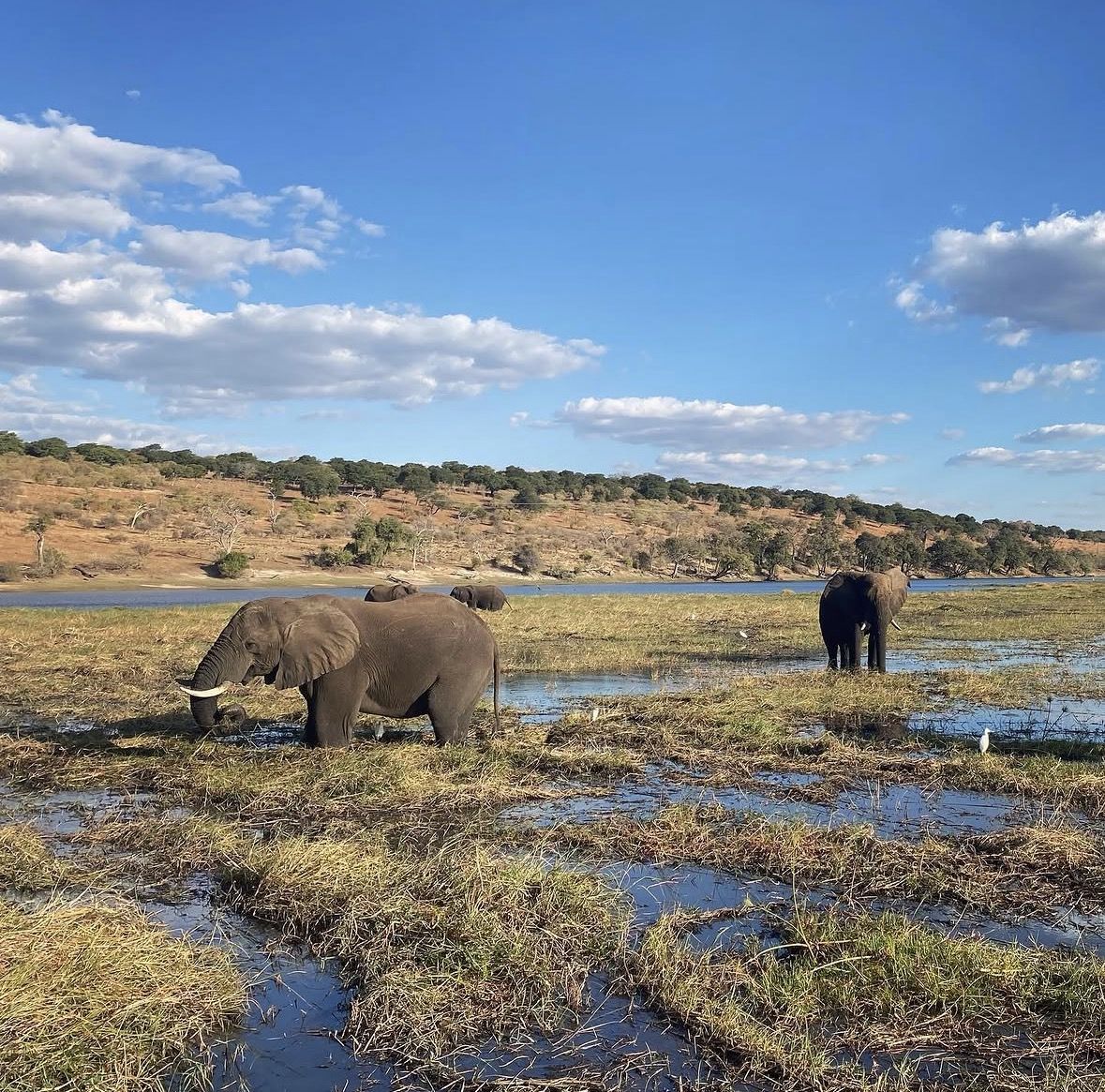
The Chobe–Linyanti–Okavango corridor supports the largest contiguous elephant population on Earth. During the dry season, thousands converge on the riverfront in breathtaking numbers, creating one of Africa's most iconic wildlife spectacles.
Rising in the highlands of Angola, the waterway flows southeast before meeting the Zambezi near Kazungula. Its course through northern Botswana encompasses floodplains, islands, lagoons, and oxbow channels teeming with life.
Chobe National Park is divided into four key zones — Serondella, Savuti, Linyanti, and Nogatsaa — each with its own character. The riverfront Serondella zone is most visited, famous for its spectacular elephant and buffalo concentrations.
Ornithologists rank this destination among Africa's top birding destinations. Highlights include African skimmers nesting on sandbanks, vast colonies of carmine bee-eaters in September, and fish eagles calling at dawn from riverside trees.
Chobe became Botswana's first proclaimed national park in 1968, reflecting the country's early commitment to conservation. Today it anchors the Kavango–Zambezi Transfrontier Conservation Area, one of the world's largest peace parks.
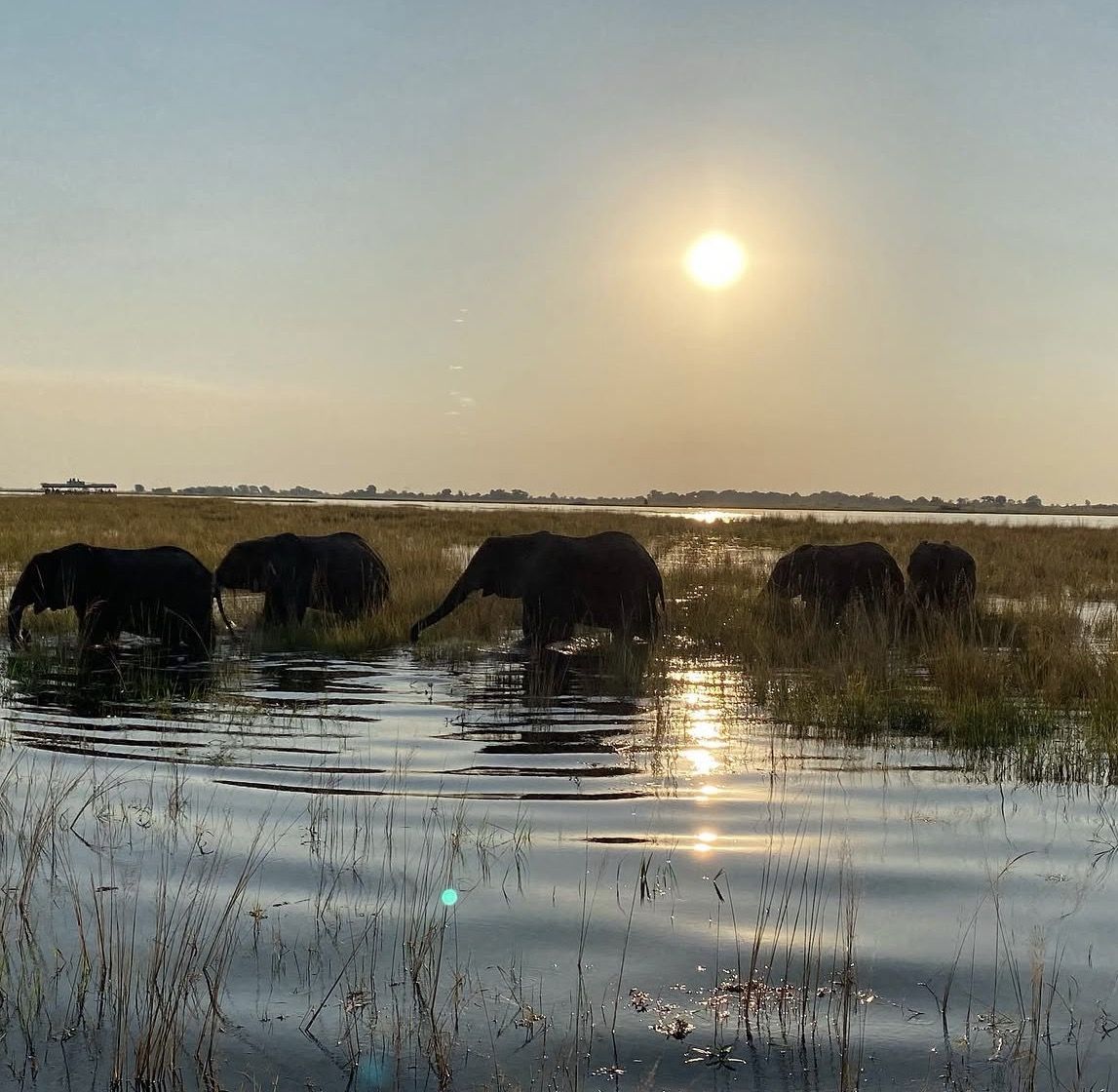
Most operators run morning and late-afternoon departures, timed around peak animal activity. Sunset cruises are especially popular, offering golden-hour photography conditions as herds of elephants wade into the water directly alongside the boat.
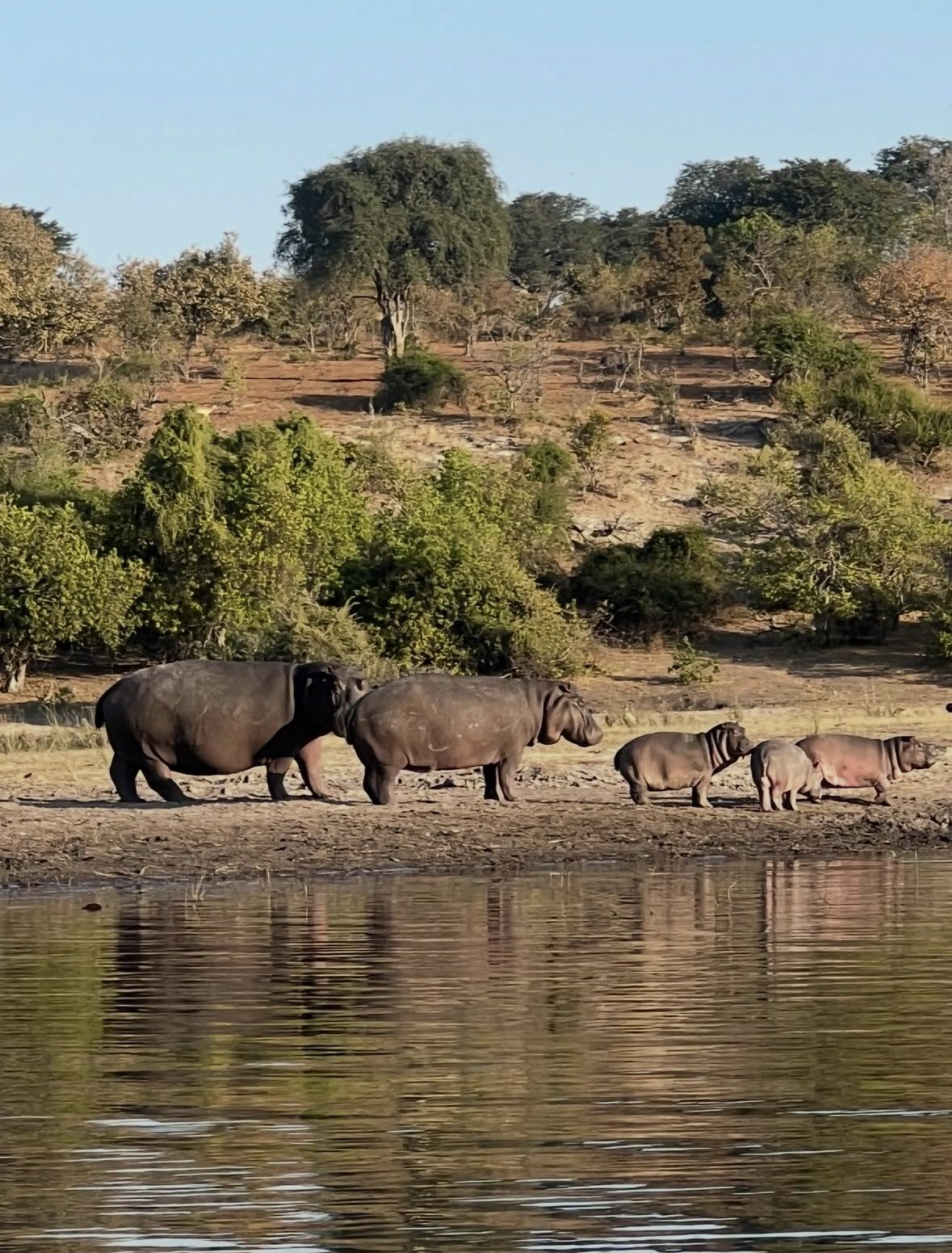
A chobe river boat safari is the signature experience here, gliding silently past hippo pods, crocodiles, and elephants at near-touching distance. Flat-bottomed pontoon boats provide excellent stability for photography and comfortable viewing for all ages.
Evening departures offer the most dramatic light for photography as thousands of animals converge on the banks to drink. The western horizon over Namibia's Caprivi Strip turns brilliant orange while fish eagles call from silhouetted trees.
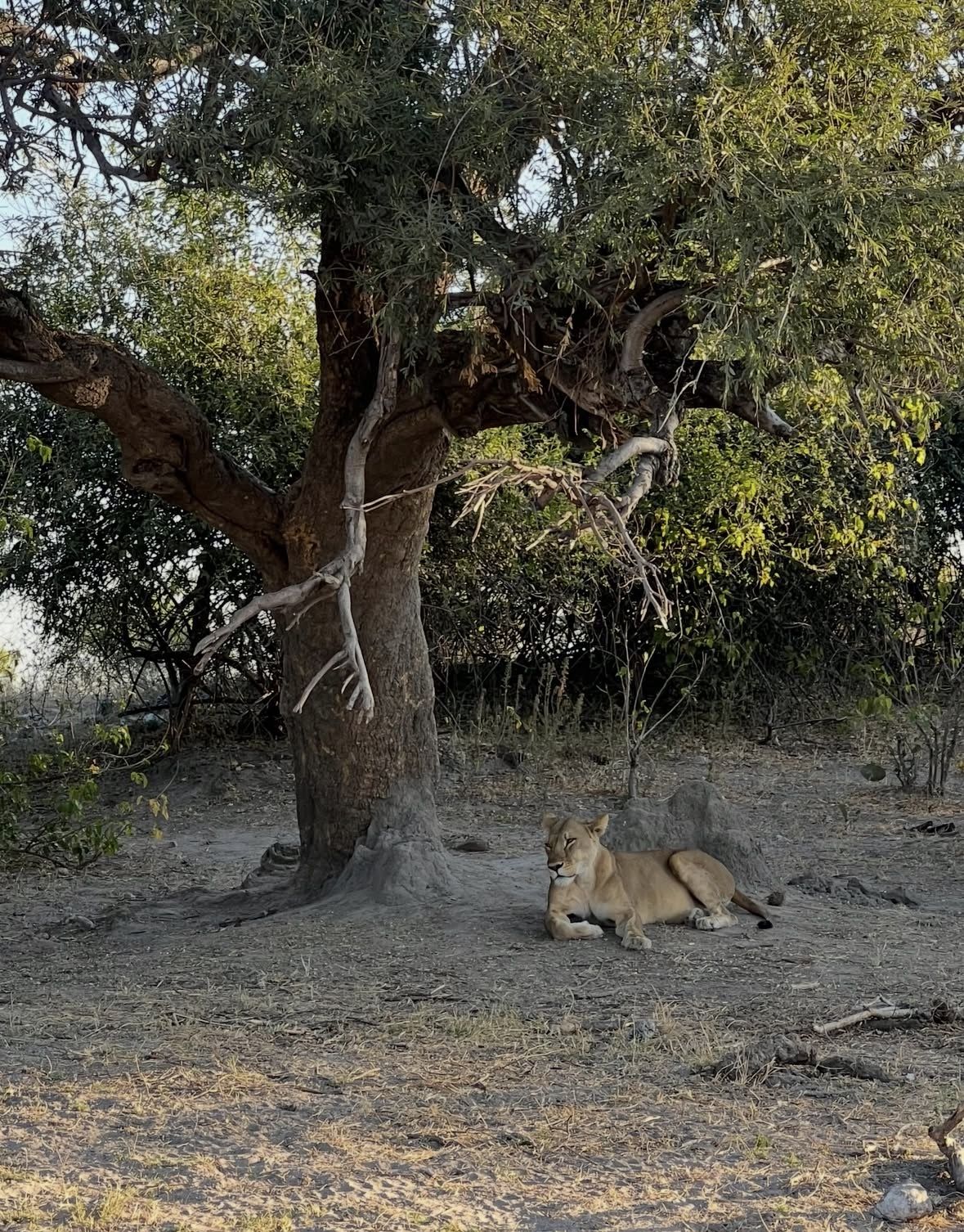
Riverfront game drives run parallel to the water along well-maintained tracks, allowing close encounters with lion, leopard, and cheetah that the boats cannot always approach. Combining a morning drive with an afternoon cruise gives the most complete wildlife experience.
Expert birding guides offer specialist half-day excursions targeting African skimmers, pelicans, saddle-billed storks, and the famous carmine bee-eater colonies. The wet season between November and March brings an extraordinary influx of Palearctic migrants.
The waters below Kasane are renowned for tigerfish, a ferociously acrobatic sport fish prized by anglers worldwide. Licensed fishing charters operate year-round, though the prime season runs from August to October when water levels are lower.
Walking tours through the nearby town of Kasane and local Subiya villages offer insight into the human communities that have coexisted with the area's extraordinary wildlife for generations. Local guides share traditional fishing methods, herbal knowledge, and folklore.
Deciding between Africa's top waterways and game reserves? Here's how they stack up side by side.
Choosing the right African safari destination depends on your priorities — whether that's sheer wildlife density, exclusivity, budget, or a specific animal you're chasing. Chobe River consistently ranks among the continent's very best for elephant and hippo sightings from a boat, but it's worth understanding how it compares to other iconic destinations before you book. This table gives you a clear, honest snapshot of what each location offers so you can match your trip to exactly what you're hoping to experience.
| Crowds | Price | Best For | What Sets It Apart | |
|---|---|---|---|---|
| ★ Chobe River | Moderate — well-managed boat numbers | Mid-range to luxury | Elephants, hippos & boat safaris | Highest elephant density on Earth; unique water-based safari experience |
| Okavango Delta, Botswana | Low — exclusive concessions | Luxury to ultra-luxury | Mokoro canoe trips & big cats | Remote floodplain wilderness; exceptional leopard and wild dog sightings |
| Kruger National Park, South Africa | High — very popular self-drive | Budget to mid-range | Big Five self-drive safaris | Accessible, affordable, and enormous; great for first-time safari-goers |
| Lower Zambezi, Zambia | Very low — few camps | Luxury | Canoeing & walking safaris | Canoe safaris past elephant and buffalo; superb tigerfish angling |
Each of these destinations has its own magic, but the Chobe River occupies a unique niche that none of the others can replicate: nowhere else on Earth can you sit aboard a small boat and watch hundreds of elephants swimming around you. For travellers who want a genuinely immersive, water-based wildlife encounter without flying into the deep wilderness, it remains the single most spectacular choice in southern Africa.
Travel Guide
Everything you need to plan a seamless, unforgettable visit to one of Africa's greatest wildlife rivers.
The main gateway is Kasane International Airport (BBK), served by scheduled flights from Johannesburg, Gaborone, and Maun. Most visitors fly into Johannesburg O.R. Tambo first and connect on a short regional flight of under two hours. Overland options include a well-paved drive from Victoria Falls in Zimbabwe (around 90 minutes) or from Livingstone in Zambia via the Kazungula border crossing, making multi-destination itineraries very easy to combine.
Once in Kasane, most lodges and hotels provide complimentary transfers to and from the airport, which is less than 10 kilometres from the main riverfront. Shared shuttle services also connect Kasane with Victoria Falls and Livingstone daily. Within the national park, licensed safari operators provide 4x4 game drive vehicles and dedicated boat safari vessels — private car hire is not recommended for independent game drives along the floodplain.
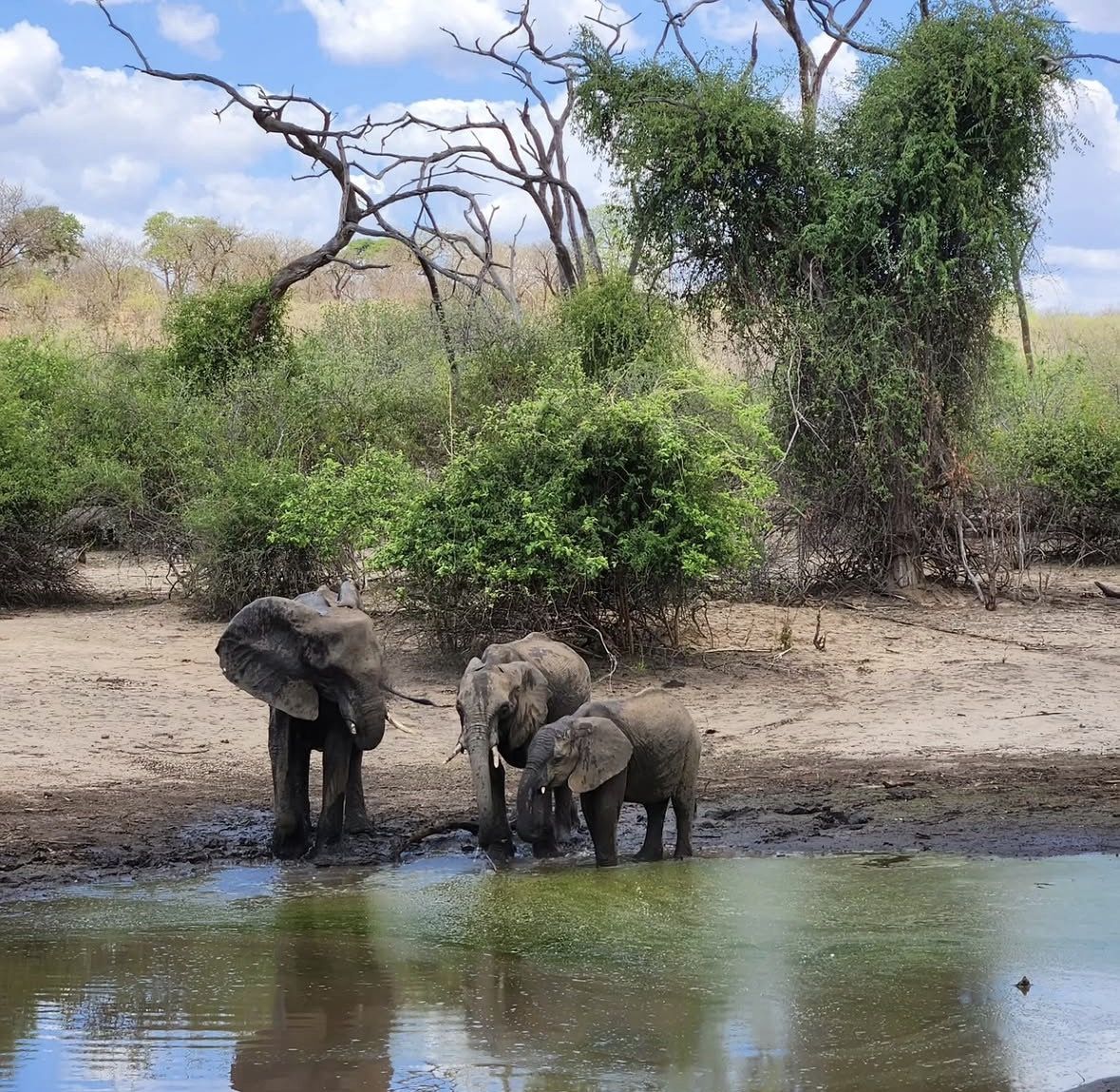
The dry season from April through October is universally considered the best time to visit. As waterholes across the interior dry up, elephants, buffalo, zebra, and predators all concentrate along the riverfront in extraordinary numbers. Visibility is excellent through the sparse dry-season vegetation, game-viewing tracks are passable, and the risk of malaria — though always present — is relatively lower than in wetter months. Peak season runs July to October when elephant numbers reach their absolute maximum.
The wet season from November to March brings lush green landscapes, newborn animals, and an explosion of birdlife including thousands of migratory species. However, dirt roads can become impassable, mosquito numbers increase significantly, and game is more dispersed across the floodplains. Temperatures climb to 38°C or above in November and December. The shoulder months of April and November offer a reasonable compromise between wildlife density, birdlife, lower prices, and manageable weather conditions.
Packing smart makes a significant difference to your comfort, especially on early morning boat departures when temperatures can be surprisingly cold. Neutral or khaki colours are recommended for game drives, though clothing colour matters less on the water than during bush walks. A good camera with a telephoto lens is arguably the single most important item you'll pack — wildlife encounters here are photographic gold and you will regret being underprepared for that once-in-a-lifetime elephant swim.
Sun protection is critical on the open water where shade is limited and reflection off the surface intensifies UV exposure significantly. A wide-brimmed hat, high-SPF sunscreen, polarised sunglasses, and a light long-sleeved shirt are non-negotiable daytime essentials. Evenings cool quickly year-round, so a fleece or light down jacket is useful even in summer. Waterproof dry bags are invaluable for protecting cameras and phones on boat trips where spray is common.
Botswana operates on a high-value, low-volume tourism model, meaning prices are deliberately higher to limit environmental impact and visitor numbers. This creates a more exclusive, uncrowded experience than busier African parks. Tipping safari guides and boat crew is customary and genuinely appreciated — USD $10–15 per person per activity is a standard benchmark. Always follow your guide's instructions in the presence of wildlife, particularly elephants and hippos, which are responsible for more human fatalities in Africa than any other large animals.
Kasane has several ATMs and supermarkets for last-minute supplies, but US dollars, South African rand, and Botswana pula are all widely accepted at lodges and tour operators. Most camps are all-inclusive, covering meals, game activities, and drinks in one rate. Mobile network coverage in Kasane town is reasonable, but signals drop inside the park. Bargaining is not standard practice in Botswana — prices are typically fixed. English is widely spoken and Botswana is one of the safest countries in sub-Saharan Africa for international visitors.
Malaria is the most significant health risk for visitors to northern Botswana and should not be underestimated. Consult a travel medicine clinic at least four to six weeks before departure to obtain the correct prophylactic medication and to confirm which vaccinations are recommended for your trip. Yellow fever vaccination is required if you are arriving from a yellow fever endemic country. Hepatitis A, typhoid, and tetanus vaccinations are routinely recommended, and rabies prophylaxis is worth considering for extended stays.
Kasane has a government district hospital and several private clinics capable of handling most medical situations, but serious cases are typically transferred to Gaborone or Johannesburg. Comprehensive travel insurance covering emergency medical evacuation is absolutely essential — evacuation flights from remote safari camps can cost tens of thousands of dollars without coverage. Always carry a personal first-aid kit with blister plasters, rehydration sachets, and antihistamines. Heat exhaustion is a real risk in peak summer months — drink at least three litres of water daily.
Explore More
Pair your Chobe visit with these extraordinary nearby destinations for the ultimate southern African journey.
The Chobe Day Trip From Victoria Falls Zimbabwe is your gateway to one of Africa's most wildlife-rich waterways.
Check this tour →The Chobe Full Day Trip From Victoria Falls is the most complete single-day wildlife adventure you can take from Zimbabwe's famous resort town.
Check this tour →The Chobe National Park Small Group Day Safari from Victoria Falls is your passport to one of Africa's finest wildlife destinations.
Check this tour →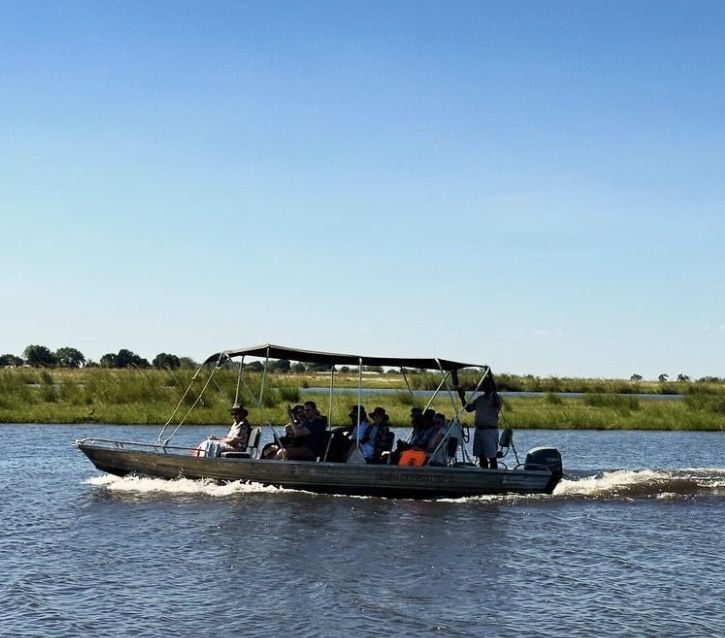
The Chobe-Savuti Trail: Elephant & Big Cats (4 Days 3 Nights) takes you deep into two of Botswana's most legendary wildlife corridors.
Check this tour →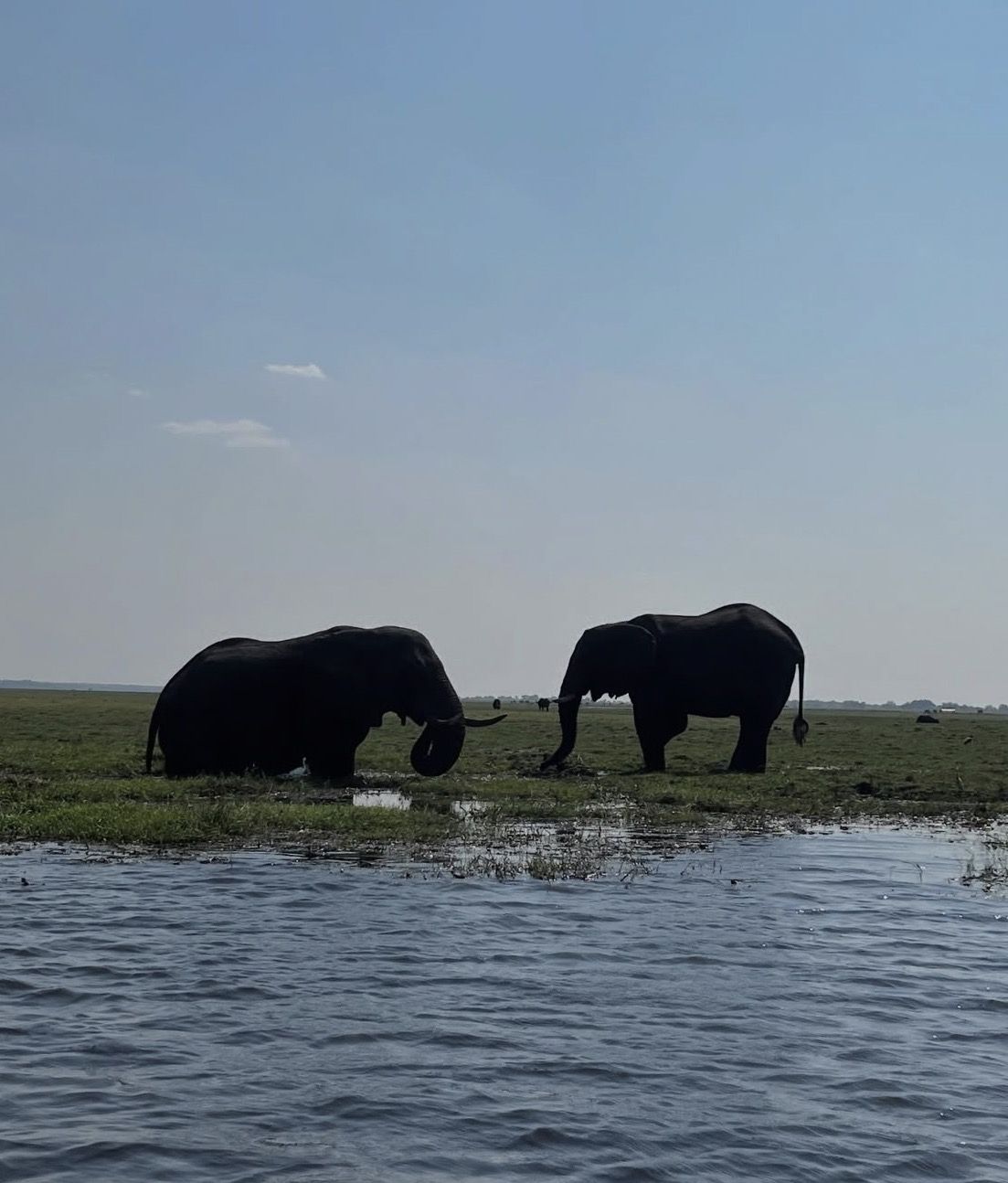
The Chobe 3hr Sunset Boat Cruise is the definitive way to experience the Chobe River as the afternoon light softens into shades of amber and rose.
Check this tour →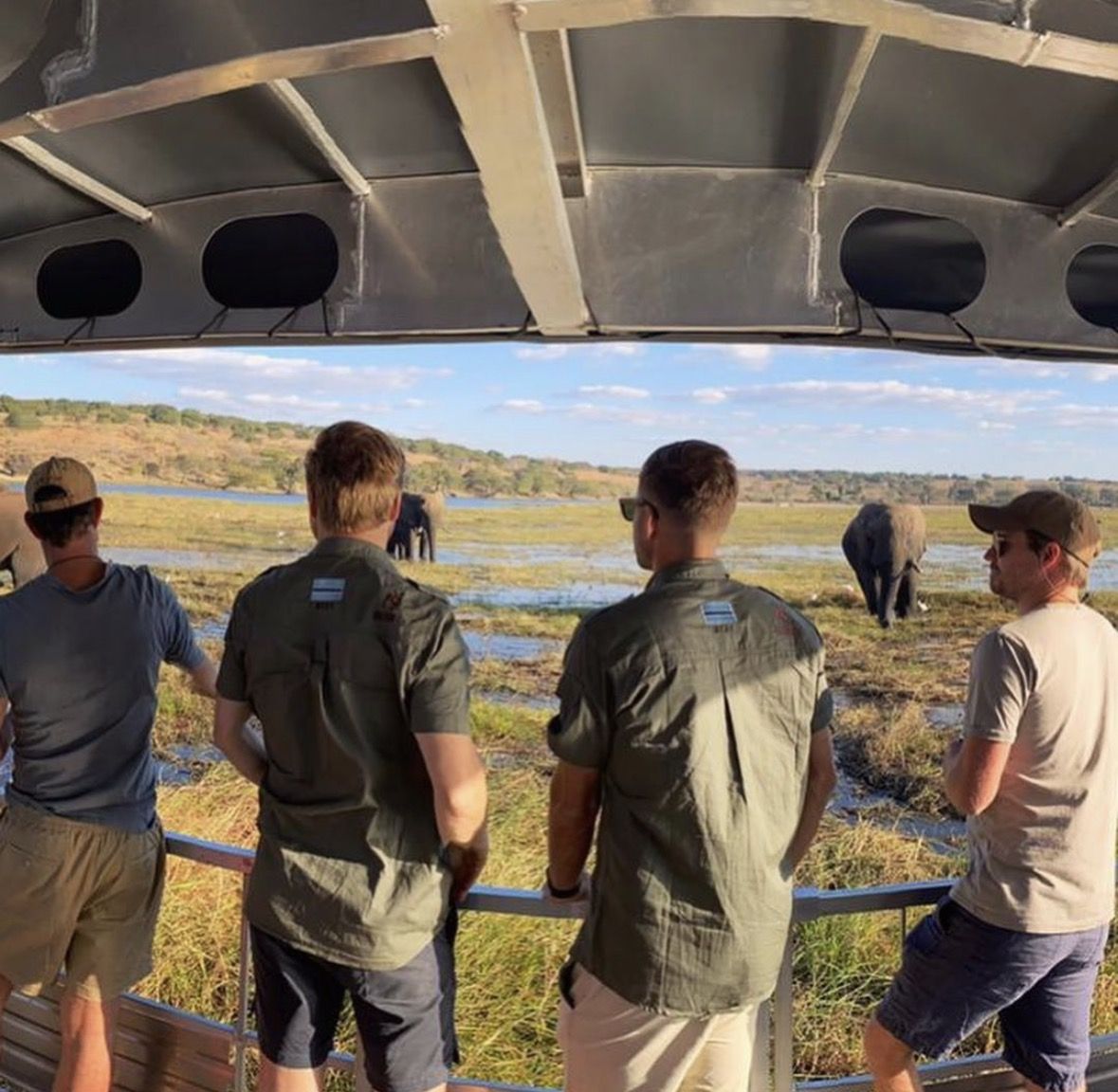
The Chobe Full Day Experience combines the best of both worlds — a thrilling 4x4 morning game drive across Chobe National Park and an afternoon boat cruise on the Chobe River.
Check this tour →Traveler Reviews
Travellers from around the world share their unforgettable Chobe River experiences.
"The afternoon boat safari was the single best wildlife experience of my life. We drifted past hundreds of elephants wading into the water right beside our vessel — close enough to hear them breathing. Hippos surfaced and yawned just metres away, and the golden light at sunset made every photo look like a painting. I had very high expectations coming in, and somehow the reality exceeded every one of them."
"We booked a chobe river boat cruise through our lodge and it turned out to be the highlight of our entire southern Africa trip. The guide was extraordinarily knowledgeable — he spotted a fish eagle nest I would never have found on my own, and he positioned the boat perfectly so we could watch a crocodile hunt unfold in real time. The two-hour format felt just right, never rushed. Absolutely worth every pula."
"A genuinely spectacular destination — the sheer density of game along the riverbanks in the dry season is hard to describe unless you've seen it yourself. We went on both a morning and an afternoon cruise, and the afternoon one offered noticeably better light and more animal activity near the water. My only minor gripe is that there were a few other boats in the same area, which briefly interrupted the sense of wilderness. Still, this is one of Africa's truly great wildlife spectacles."
"I've been on safaris in Kenya, Tanzania, and Zambia, and nothing prepared me for what I witnessed here. Massive buffalo herds came down to drink while lions watched from the treeline — it was like watching a nature documentary unfold live. Our guide on the chobe river safari cruise was calm, informative, and genuinely passionate about conservation. I'm already planning my return trip for next year."
"The birdlife alone would have made this trip worthwhile — we counted over 40 species in a single two-hour outing, including carmine bee-eaters, African skimmers, and a colony of yellow-billed storks. Our naturalist guide explained the ecological role of each species in a way that was genuinely engaging, not just a checklist. The combination of boat-based viewing and a late-afternoon game drive made for a perfect full day. A destination that lives up to every superlative written about it."
"We joined a chobe river boat safari as part of a longer Botswana itinerary, and it was the moment that made the whole trip click into place. Watching elephants swim across the channel — trunks raised above the surface like snorkels — was almost surreal. I'd recommend booking the earliest possible slot because the heat later in the day can be intense, especially in October. Bring good binoculars and more memory cards than you think you'll need."
"From the moment we boarded, it was clear this experience is in a class of its own among African wildlife destinations. The floodplain scenery is stunning, the water is alive with activity, and the elephant herds — sometimes numbering in the hundreds — come right down to the river's edge throughout the afternoon. Our skipper had a gift for anticipating animal movement, always getting us into position moments before something remarkable happened. An absolute must for anyone travelling through northern Botswana."
"We brought our teenage children on this trip expecting mild interest and came home with a family obsessed with wildlife and conservation. The guides were brilliant at pitching their explanations to different ages without ever being patronising. We saw lions, leopard, wild dog tracks, and more elephants than we could count — all within a single day of being on and alongside the water. This place genuinely changes how you see the natural world."
Watch Before You Go
See why a single afternoon on the water here is worth more than a week spent anywhere else in Africa.
Location
The Chobe River riverfront and main access point is located near Kasane town, Chobe District, northern Botswana, adjacent to Chobe National Park's Serondella sector.
FAQ
Everything you need to know before booking your Chobe River adventure.
Ready to watch elephants swim alongside your boat?
Book Your Safari NowDiscover More
From San hunter-gatherers and Lozi traders to Livingstone's Victorian expeditions and the founding of Botswana's first national park, the waterway's banks have witnessed centuries of extraordinary human and natural history. Understanding this rich past deepens every moment spent watching elephants wade through waters that have sustained life here for millennia.